AR-15 Maintenance Schedule: Complete Guide

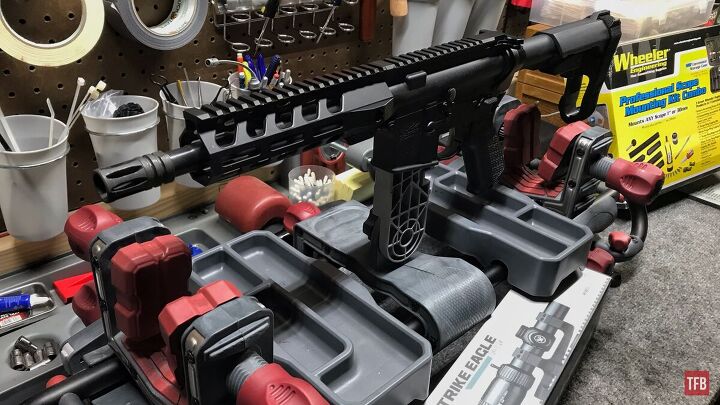
The internet can't agree on AR cleaning schedules. You've got the "after every range trip no matter what" crowd and the "never cleaned mine, runs great" guys. Both are kinda wrong. Real answer depends on how you shoot and what you're willing to tolerate. Your rifle won't grenade if you skip a cleaning session. But neglect adds up.
AR-15 @TFB:
- How to Clean Your AR-15: A Complete Guide
- TFB Armorer's Bench: Complete AR15 Disassembly - Bolt Carrier Group
- TFB Armorer's Bench: Complete AR15 Disassembly - Upper Receiver
- TFB Armorer's Bench: Complete AR15 Disassembly – Lower Receiver
- TFB Armorer's Bench: Tips and Tricks – AR15 Gas Blocks
- TFB Armorer's Bench: AR15 Gas Rings and Their Maintenance
The Quick Version
- After every range session: Wipe it down, check the lubrication levels
- Every 500-1000 rounds: Actually clean the BCG and inspect parts
- Every 2000-5000 rounds: Closer parts inspection, replace what's worn
- Once a year: Deep clean and inspection, even if you barely shot it
That handles most situations. Details below matter when things go wrong.
After Every Range Session
People overthink this part or completely ignore it. You don't need a full teardown after 50 rounds. You also shouldn't toss a wet rifle in the safe for six months. Middle ground exists.
Quick checks that actually matter:
- Wipe the exterior down. Dust, rain, humidity - get that crap off.
- Look in the bore for obstructions. Takes five seconds.
- Run your finger across the bolt. Still got oil? Good.
- Function check if something felt weird while shooting.
Full disassembly after casual range time is overkill. The carbon buildup isn't going to lock your gun up overnight; you're not running a duty weapon in Fallujah.

Lube question: ARs run better wet. Period. A dirty but lubed gun will cycle all day. A spotless dry gun has an above-average chance of choking. If you do literally nothing else, make sure the bolt carrier group has oil where metal meets metal. Cam pin area, bolt lugs, carrier rails. That's where it counts.
Want to know more about the difference between lubricants, protectives, and solvents? Wrote a whole article just for you!
Every 500-1000 Rounds
This is your real maintenance window. Recreational shooters hit this every few trips. Competition guys might burn through it in a weekend.
Bolt Carrier Group
Pull the BCG and clean it properly. Carbon cakes up on the bolt, inside the carrier, around the gas rings. Nylon brush and solvent handles most of it, scrapers for stubborn buildup.

While you're in there:
- Gas rings: Stack them so gaps don't line up. Stand the carrier on the bolt face with bolt extended. If it collapses under its own weight, your rings are toast.

- Bolt face: Check for cracks around the lug recesses. Pitting within reason is normal wear. Cracks mean replace it now.
- Cam pin: Look for wear or mushrooming. These are cheap, swap it if questionable.
- Firing pin: Tip should be smooth and rounded, not chipped or flattened.
Bore Cleaning
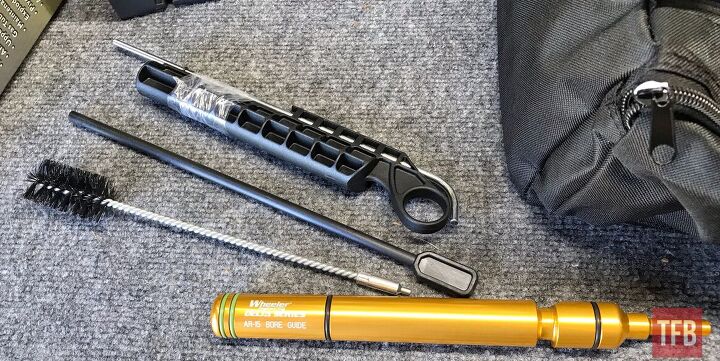
Copper fouling builds gradually and will eventually affect your groups. Every 500 rounds or so, run a proper bore cleaning. This means bore snake for quick work, rod and patches with copper solvent for thorough jobs. Clean until patches stop showing that blue-green copper staining. Some carbon in the bore doesn't hurt anything. "Clean enough" is when patches come out mostly clear.
Chamber and Lug Recesses
The chamber and barrel extension get ignored, but carbon here causes extraction problems. Chamber brush on a short rod, takes maybe 30 seconds, clean the lug recesses in the barrel extension too. Prevents headaches later.
Every 2000-5000 Rounds
Parts inspection and potential replacement territory. Round count actually matters here. If you don't track your rounds, consider starting to keep a rough count now.
Extractor and Ejector Springs
The most common wear items are on the bolt. The extractor spring loses tension over time, and you get failures to extract. Ejector spring weakens, ejection pattern gets erratic, or you get failures to eject entirely.

Wear signs:
- Brass is not ejecting to a consistent clock position anymore
- Extracted cases showing extractor slip marks
- Failures to extract, especially with steel case ammo (steel cased ammo in very high round counts cause accellerate chamber wear as well)
Replacement springs cost a few bucks. Swap them proactively around 5,000 rounds instead of waiting for malfunctions. Some guys keep spares on hand or in the storage of a pistol grip.
Extractor and Ejector
Inspect the extractor hook for chips or rounding, check ejector for mushrooming. These outlast springs but do wear eventually.
Gas Rings
If you didn't swap them already, 3000-5000 rounds is typical service life. That bolt standing test from earlier is your check. Replace as a set.

Buffer Spring
Springs weaken from being compressed and expanded over and over again. You might notice the cycling sound changes, like less "sproing," more dull thud. Function usually continues fine until it's pretty worn, but degraded springs mess with timing.
Standard carbine springs last around 5,000 rounds for most shooters; heavier buffers or adjustable gas blocks change that math.

Barrel Throat
Check for erosion if you shoot hot loads or do rapid-fire strings. Bore scope helps here. I’d look for sharp rifling edges at the throat becoming rounded or eroded. This kills accuracy before it affects function. Most recreational shooters won't wear out a barrel throat in any reasonable timeframe. High-volume competitors and mag dump enthusiasts see it sooner.
Annual or Seasonal Maintenance
Even with a low round count, thorough inspection once a year minimum. Rifles that sit unused develop different problems.
Storage issues:
Oil migrates and evaporates. A rifle stored for months might be bone dry even if you oiled it before putting it away. Check for rust in the bore, chamber, BCG, which are most vulnerable, especially in humid areas.
Hardware check:
- Castle nut: Should be staked or thread-locked at a minimum, check for loosening
- Optic mounts: Verify zero and torque on mounting screws
- Handguard hardware: Check for loosening, especially free-float rails
- Muzzle device: Verify timing and torque

Function test: Run a few rounds through it early in the season or after long storage. Don't trust a gun that's been sitting without verification.
Signs Something's Wrong
Malfunctions are diagnostic. Random one-off jams happen to everyone. Patterns indicate actual problems.
NOTE: First and foremost, confirm the AR is having issues with multiple magazines. Sometimes it is that simple and at the very least it rules out a bad mag.
- Short-stroking (failure to lock back, weak ejection): Undergassed. Gas block alignment, gas port size, suppressor issues, etc. Or a weak buffer spring, dry bolt carrier, or worn gas rings.
- Failure to extract: If it isn’t ammo-related, a worn extractor spring is most common. Could be a damaged extractor, a dirty chamber, or out-of-spec ammunition.
- Failure to eject: Worn ejector spring, damaged ejector, bent ejector. OR related to a short stroking issue.
- Double feeds: Magazine issues usually, sometimes extractor problems, or short-stroking causing incomplete ejection.
- Light primer strikes: Worn firing pin, firing pin carbon buildup, weak hammer spring, or hard primers in your ammo.
When cleaning doesn't fix a malfunction pattern, narrow it down and start swapping parts. Springs first since they're cheap. Move to harder stuff after. The AR platform is the Lego of guns. Parts can be cheap, spare parts can be on hand, don't think too hard about it.
What You Can Skip
The AR platform is way more tolerant than a quick internet search suggests.
Over-cleaning myths: You don't need to scrub the bore after every session, carbon on the bolt carrier won't hurt if it's lubed, the trigger doesn't need cleaning unless it's actually malfunctioning, buffer tube doesn't need regular attention.
Parts that last longer than people think: Bolts regularly go 10,000+ rounds (often way more), barrels last 10,000-20,000+ depending on use, lower receivers basically last forever with normal use, triggers rarely wear out from shooting.

Don't replace parts on arbitrary schedules. Inspect, test, and replace when you see actual wear or experience actual problems. The rifle tells you when something needs attention.
Final Thoughts
Your AR needs attention, but doesn't need to be babied. Keep it lubed, clean the BCG periodically, inspect wear items at reasonable intervals, and address problems when they show up. That's it.

The guys obsessing over every carbon speck are wasting time. The guys who never clean and wonder why their rifle chokes are learning expensive lessons the hard way. As I said, middle ground exists. Keep a rough track of your round count, and your rifle will run for tens of thousands of rounds.

What's your maintenance routine look like? Any hard lessons learned from neglect or parts failures? Let us know what you guys and gals think in the comments below.
Managing Editor: AllOutdoor.com | Staff Writer: TheFirearmBlog | Certified Gunsmith | Published Author | Firearm History Enthusiast
More by Sam.S


Comments
Join the conversation
If you have a scraper, throw it away. They do more damage than good. Just get a good carbon disolver like Clenztec or Clenzoil and the carbon will just wipe away.
My time in the Marine Corps leads me to avoid cleaning my rifle.