Fudd Friday: The Smoking Gun & The Continental Tobacco Co.

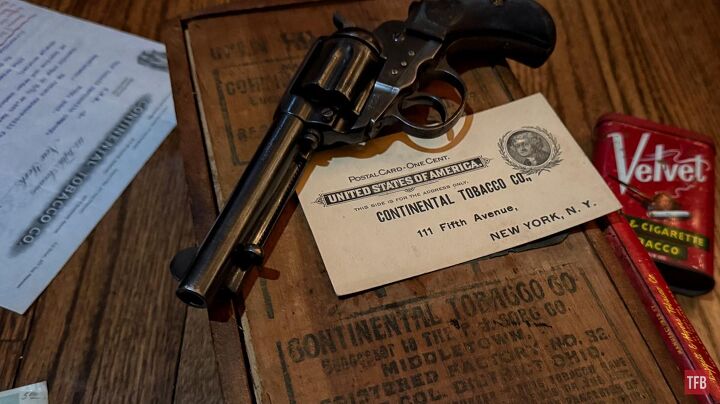
You've just mailed your 1,800th tobacco tag to St. Louis. Weeks later, a wooden crate arrives containing your "free" Colt 1877 revolver. You think you've beaten the system…You haven't. The Continental Tobacco Company just made you their customer for years, and the math was never in your favor. Welcome to Fudd Friday, where we're examining the golden age of tobacco premium programs. Back when companies gave away firearms, wagons, toiletries, boxing gloves, baby strollers, and anything else you can think of to create captive customers.
Fudd Friday @TFB:
- Fudd Friday: Blunderbusses, Pilgrims, and How Art Rewrote History
- Fudd Friday: Does Fitz Equal Fudd?
- Fudd Friday: Converting Mil-Surps - Once Necessity, Now Blasphemy
- Fudd Friday: Rifle Cartridges in Revolvers - Why Keep Making Them?
- Fudd Friday: The Remington 550-1's Useful Floating Chamber
- Fudd Friday: Winchester 1911 SL - Was the "Widowmaker" Really Deadly?
The Evidence: Continental Colt
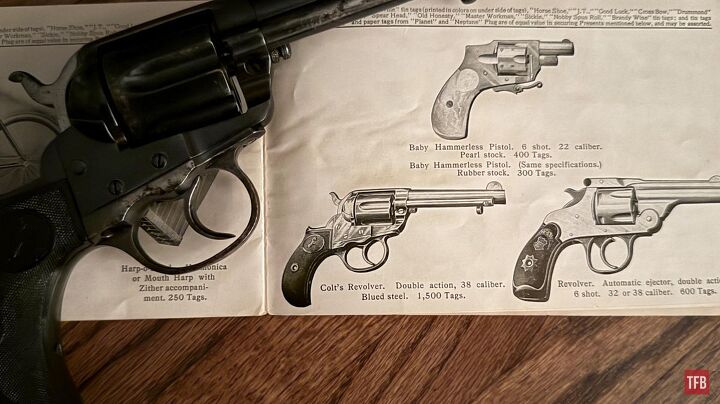
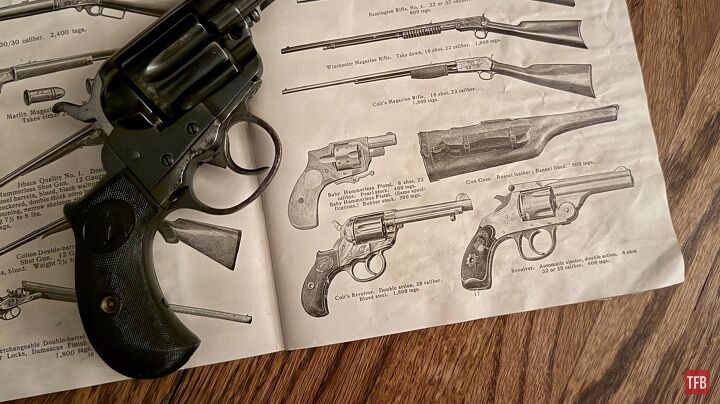
I have a 1901 manufactured Colt 1877 Double Action “Lightning”. I have the factory letter confirming shipment to Continental Tobacco on August 2, 1901 - one of a batch of 50 guns. I have two Continental premium catalogs from 1901 and 1904. I have the wooden Spearhead tobacco crate. I have company correspondence. I have actual tobacco tags from participating brands: Star, Horse Shoe, Good Luck, Cross Bow, Drummond. With all this documentation, I still can't tell you if this was a good deal. But I can prove it wasn't what it looked like.
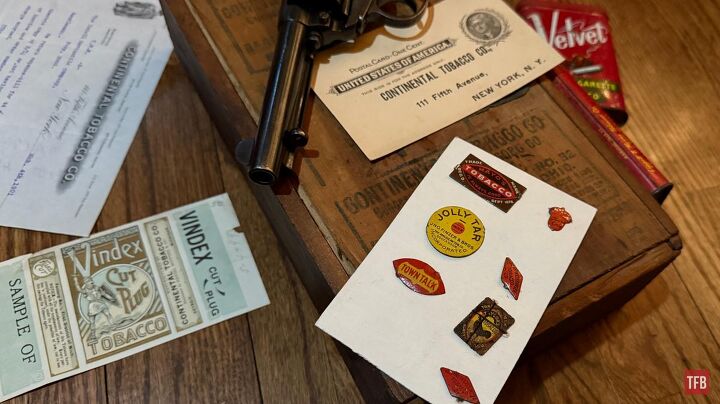
Customer Capture: Continental Colt
The Continental Tobacco Company was part of the American Tobacco Trust which controlled 80% of U.S. tobacco by 1900. Formed in 1898, merged into the new American Tobacco Company in 1904, then dissolved by Supreme Court order in 1911 for antitrust violations. This wasn't small-scale promotion, it was monopoly-level customer acquisition.
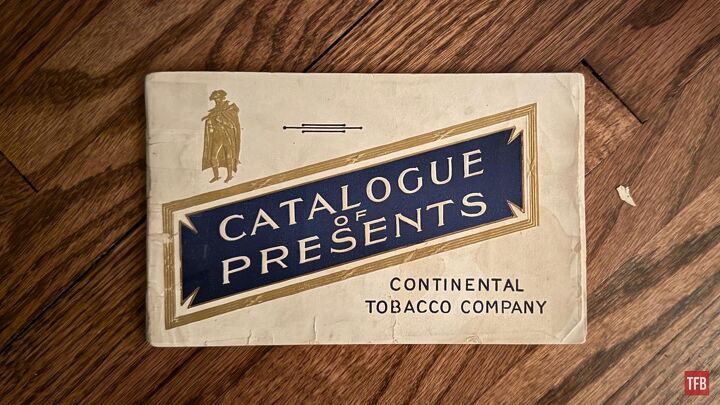
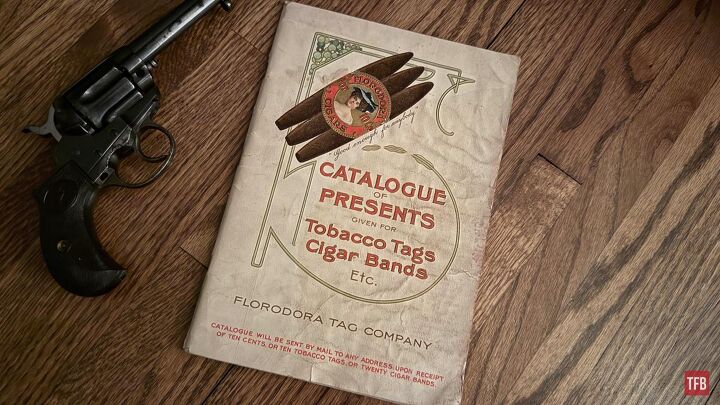
The Florodora Tag Company in St. Louis managed redemption. Their 1904 catalog showcased 487 premium items, from 25-tag pipes to 90,000-tag pianos. It even had firearms from Colt, Winchester, Savage, Ithaca, Marlin, Stevens.
Collector research suggests the majority of Colt 1877s in this specific configuration were tobacco premiums, with thousands flowing through Continental's program. My factory letter confirms mine was part of a 50-gun batch shipped August 2, 1901.

The Math We Can Do (And What We Can't)
Here's what the documentation tells us for certain:
- 1901 Catalog Colt 1877 Requirements: 1,500 tags
- 1904 Catalog Colt 1877 Requirements: 1,800 tags
That increase tells you everything. Somewhere between 1901 and 1904, Continental looked at the numbers and decided they were giving these away too cheap. They bumped the requirement by 300 tags, a 20% increase.
Colt Retail: The Colt 1877 retailed for approximately $15-16 in 1884 based on period advertisements. That pricing likely remained similar through 1900-1904 production. In 2025 dollars, that's around $578 to $617 for the gun at retail.
Tobacco Pricing: Standard plug tobacco retailed for 5 cents throughout this era. Period advertisements for brands like Battle Ax consistently touted "the biggest piece of really high-grade tobacco ever sold for 5 cents." This was the standard price point across multiple brands and years.
The Missing Link: Here's where my research hits a wall. I cannot find definitive documentation on exactly how many tags came with each 5-cent plug of tobacco. Period advertisements mention tags being placed "at intervals throughout the entire length of the plug" and one 1877 advertisement specifically describes "multiple wooden tags" in a one-pound brick. But nowhere can I find a source stating "one plug = X tags."
If we assume one tag per plug (the worst-case scenario for consumers):
- 1,500 tags = $75 in tobacco purchases (1901) = $2,893 in 2025 dollars
- 1,800 tags = $90 in tobacco purchases (1904) = $3,471 in 2025 dollars
That's 5-6 times the retail cost of the gun, paid out over however many months or years it took to accumulate that many tobacco purchases.
If multiple tags came with each plug, the actual tobacco cost drops, but you're still making hundreds of purchases locked exclusively into Continental's brands. Even at five tags per plug (which would be generous), you're talking about 300-360 individual tobacco purchases. At one plug per week, that's 5.8 to 6.9 years of brand loyalty…I suck at math but I think that's right.
Whether you paid 5x retail or approached retail cost doesn't really matter to the fundamental business model. Continental wasn't selling guns. They were selling years of guaranteed tobacco purchases, paid for in advance through commitment. You got a functional revolver (mine still works perfectly 123 years later with proper black powder loads). Continental got a captive customer locked into their brands for the duration.

Note: If anyone has access to documentation specifying how many tags came with standard plug tobacco products circa 1900-1905, I'd genuinely like to know. Please share any sources in the comments. Updates may not be made to this article, but such information would aid anyone researching tobacco premium programs in the future.
The Entire Industry Ran This Play
Continental wasn't unique. American Cigar Company's 1904 catalog: 50 bands for silverware, 180,000 bands for a grand piano, 44,000 bands for a bedroom set. Page after page of "free" merchandise requiring thousands of tobacco purchases. These weren't charitable programs. They were customer lock-in mechanisms at monopoly scale.

The Smoking Gun: Continental Colt
On May 29, 1911, the U.S. Supreme Court ordered the dissolution of the American Tobacco Company for violating the Sherman Antitrust Act. Continental Tobacco had already been absorbed in the 1904 merger. The entire trust, the one controlling 80% of American tobacco products, was deemed an illegal monopoly.
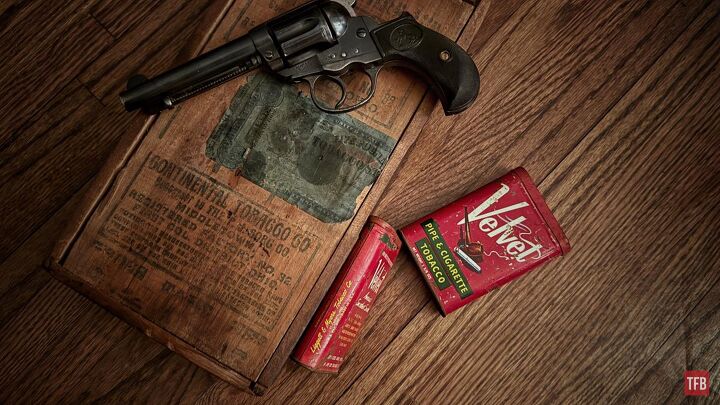
The 20% tag increase between 1901 and 1904 catalogs tells you everything about who was winning this arrangement. Seven years after that tag increase, the Supreme Court broke up the trust. Turns out "free" guns funded by monopoly pricing and customer lock-in programs were exactly the kind of business practices antitrust law was designed to stop.

We hope you enjoyed this edition of Fudd Friday. Took a bunch of time to research and any additional info would be grand. Have information about tobacco tag quantities or Continental Tobacco premium programs? Let us know in the comments below - we always appreciate your feedback and historical documentation.
Staff Writer: TheFirearmBlog & AllOutdoor.com | Certified Gunsmith | Published Author | Firearm History Enthusiast
More by Sam.S



![[SHOT 2026] Living The Fudd Dream](https://cdn-fastly.thefirearmblog.com/media/2026/01/23/18441/shot-2026-living-the-fudd-dream.jpg?size=350x220)









![[SHOT 2026] Ruger Goes All-In On *Almost* Everything](https://cdn-fastly.thefirearmblog.com/media/2026/01/22/01521/post.jpg?size=350x220)
Comments
Join the conversation
Revolver and a malignant adenocarcinoma.
We used to be a country. A proper country.